
Views: 21
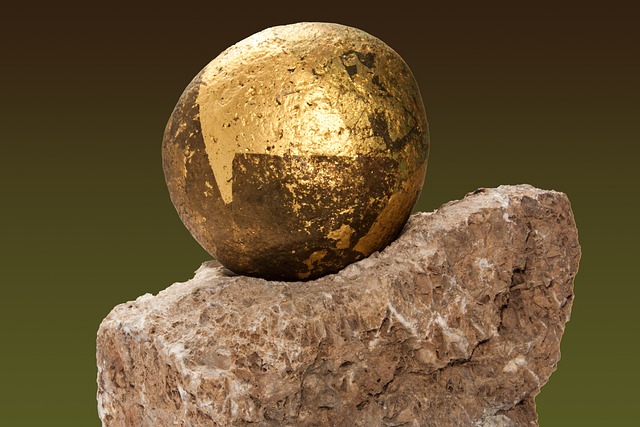
- Raw material
The presented technology can process with optimal results the following categories of raw materials:
- siliceous gold ore having a minimum content of 1g/t Au;
- pyrite concentrates with high content of As (refractory to extraction by cyanide), containing minimum 2 g/t Au, maximum 10% As and various contents of Cu, Pb, Zn, Fe, S (as sulfide);
- gold concentrates unpurified with carbon (max 10% C), having a minimum content of 2 g/t Au; these concentrates are refractory to extraction by cyanide;
- flotation wastes having a minimum content of 1 g/t Au;
- ashes resulted from the nonferrous metallurgic and chemical industry (after a desulphurization process), having a minimum content of 1g/t Au.
B. Gold and Silver dissolution
The raw material, milled to a maximum grain size of 0.1 mm, is cold treated for a few hours with a sodium thiosulphate solution-recirculated from the electrolysis stage- in the presence of a copper catalyst. The process is accelerated using an air bubbling system. The suspension thus obtained is filtered. The solution containing minimum 5 mg/l Au is stored and the solid residue, after having being filtered and washed with water, is stored as inactive material (nontoxic) or can be further processed in chemical or metallurgical industry, depending on the content of other recovering metals and elements.
C. Gold and Silver extraction from the thiosulphate solution
The solution stored after dissolution is alkalized to a PH of 10 and subjected to an electrolysis with both the anode and the cathode insoluble. At a corresponding current density, an electrolytic sludge with high contents of copper, gold and silver is separated.
The electrolytic solution free of copper, gold and silver is filtered and recirculated to the dissolution phase and the sludge is filtered, water washed and stored.
D. Au-Ag alloy obtaining
The sludge containing copper, gold and silver obtained after filtering the electrolyte having a granularity of max 100 μ is treated with a sulphuric acid solution in a reactor under stirring and bubbling air at an appropriate temperature.
The liquid solution obtained after the dissolution of the copper is filtered and recirculated to the dissolution phase.
The sludge having high content of Au and Ag, after being water washed and dryed, is melted under chemical alkaline-reduction medium at 1100-12000C, which results in the separation of the Au-Ag alloy having a 95-97% gold and silver purity, along with an alkaline slag recirculated as well to the dissolution phase.
The extraction efficiency for gold is 80-85% and for silver is 75-80%, depending on their concentration in the raw material.
The technology is non pollutant, does not generate polluted waters or toxic gases. The residues resulted after the dissolution process are either an inactive material (when the raw material is siliceous gold ores or flotation wastes) or raw materials for other industries (when the raw materials are ashes, slag, pyrites and others).
This technology is suitable to process, at the above mentioned efficiencies, the pyrites containing arsenic and carbon (refractory raw materials) which are not compatible with the cyanide technology.
From the economic point of view, the processing costs of this technology are 10-15% lower compared with the costs of the cyanide technology.